Volatility in Energy Markets and the Quiet Strength of Self-Sufficiency
March 29, 2026
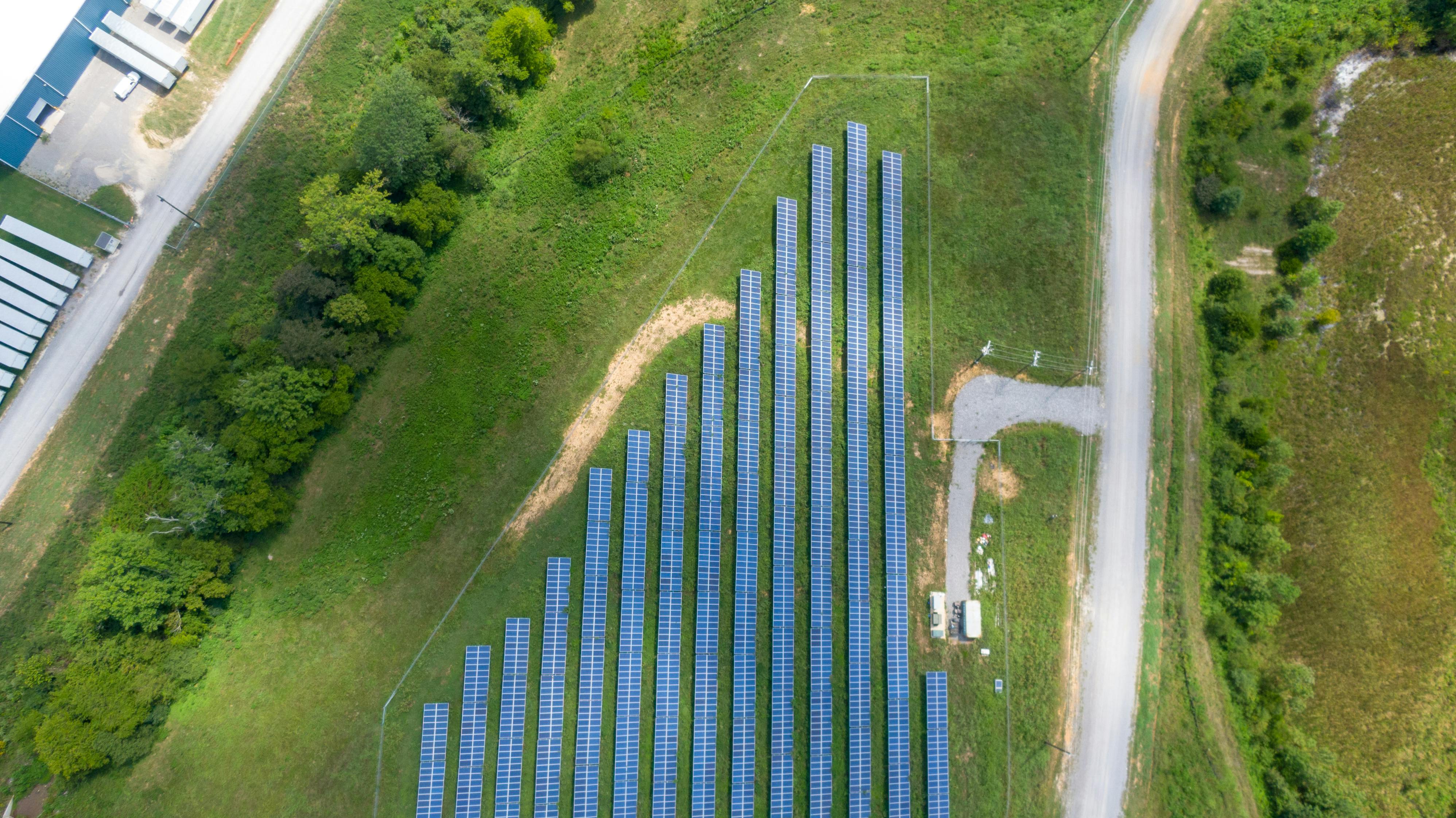
Energy markets will always move. Prices rise, fall, and react, often faster than expected. For years, this volatility has been framed as a problem to manage. But a shift is already underway with the move to renewables that is helping manage this risk and reduce household’s exposure to it.
Traditional energy systems
Traditional energy systems are, by nature, exposed. They rely on long supply chains, concentrated resources, and global interdependence. When one part falters - whether through geopolitical tension, infrastructure disruption, or sudden demand shifts - the effects travel quickly. Volatility, in this sense, isn’t surprising, but structural. What’s changing is our response.
Clean energy
Clean energy is often discussed in terms of sustainability, but its role in stability is just as compelling. Renewable sources like wind and solar don’t depend on imported fuels or fragile supply routes. They are local by design. When energy is generated closer to where it’s used, exposure softens. Communities, businesses, and individual households gain a degree of insulation from global price swings. It doesn't offer full independence, however it increases resilience.
A home with on-site solar generation is less vulnerable to sudden electricity price spikes. Paired with battery storage can then further smooth out peaks in demand, especially when the sun isn’t shining. At a larger scale, diversified energy systems - where renewables, storage, and flexible grids work together - create networks that are inherently more stable.
What does it mean when talking about volatility? Instead of reacting to external shocks, energy users can begin to shape their own exposure. The question moves from “How do we cope with rising prices?” to “How do we reduce our reliance on them?”
Technology is accelerating this transition. Solar with battery storage, in particular, is redefining what renewables can offer.
Batteries captures surplus energy when conditions are favourable and releases it when they’re not, turning variability into something manageable. Smart grids, meanwhile, allow energy to be distributed more efficiently, responding in real time to changes in demand.
Financial benefits
There’s also a financial clarity emerging. While fossil fuel markets are inherently tied to global pricing dynamics, renewables are largely driven by upfront investment rather than ongoing fuel costs. Once installed, their pricing becomes far more predictable. Over time, that predictability becomes a powerful hedge against volatility.
None of this removes uncertainty entirely: weather still plays a role, and demand will always fluctuate. But the nature of the risk begins to change - from something external and uncontrollable to something that can be designed around.
Energy markets may remain volatile, but our relationship with them doesn’t have to. By leaning into clean energy and building systems that prioritise local generation and flexibility, we move toward something more composed. Not a world without movement - but one where the impact of that movement is softened.
In that sense, the transition to clean energy isn’t just about decarbonisation, but also about control. About creating systems that are cleaner and calmer. Systems that hold steady, even when the wider market does not.
Volatility in Energy Markets and the Quiet Strength of Self-Sufficiency
March 29, 2026
Energy markets will always move. Prices rise, fall, and react, often faster than expected. For years, this volatility has been framed as a problem to manage. But a shift is already underway with the move to renewables that is helping manage this risk and reduce household’s exposure to it.
Traditional energy systems
Traditional energy systems are, by nature, exposed. They rely on long supply chains, concentrated resources, and global interdependence. When one part falters - whether through geopolitical tension, infrastructure disruption, or sudden demand shifts - the effects travel quickly. Volatility, in this sense, isn’t surprising, but structural. What’s changing is our response.
Clean energy
Clean energy is often discussed in terms of sustainability, but its role in stability is just as compelling. Renewable sources like wind and solar don’t depend on imported fuels or fragile supply routes. They are local by design. When energy is generated closer to where it’s used, exposure softens. Communities, businesses, and individual households gain a degree of insulation from global price swings. It doesn't offer full independence, however it increases resilience.
A home with on-site solar generation is less vulnerable to sudden electricity price spikes. Paired with battery storage can then further smooth out peaks in demand, especially when the sun isn’t shining. At a larger scale, diversified energy systems - where renewables, storage, and flexible grids work together - create networks that are inherently more stable.
What does it mean when talking about volatility? Instead of reacting to external shocks, energy users can begin to shape their own exposure. The question moves from “How do we cope with rising prices?” to “How do we reduce our reliance on them?”
Technology is accelerating this transition. Solar with battery storage, in particular, is redefining what renewables can offer.
Batteries captures surplus energy when conditions are favourable and releases it when they’re not, turning variability into something manageable. Smart grids, meanwhile, allow energy to be distributed more efficiently, responding in real time to changes in demand.
Financial benefits
There’s also a financial clarity emerging. While fossil fuel markets are inherently tied to global pricing dynamics, renewables are largely driven by upfront investment rather than ongoing fuel costs. Once installed, their pricing becomes far more predictable. Over time, that predictability becomes a powerful hedge against volatility.
None of this removes uncertainty entirely: weather still plays a role, and demand will always fluctuate. But the nature of the risk begins to change - from something external and uncontrollable to something that can be designed around.
Energy markets may remain volatile, but our relationship with them doesn’t have to. By leaning into clean energy and building systems that prioritise local generation and flexibility, we move toward something more composed. Not a world without movement - but one where the impact of that movement is softened.
In that sense, the transition to clean energy isn’t just about decarbonisation, but also about control. About creating systems that are cleaner and calmer. Systems that hold steady, even when the wider market does not.
Volatility in Energy Markets and the Quiet Strength of Self-Sufficiency
March 29, 2026
Energy markets will always move. Prices rise, fall, and react, often faster than expected. For years, this volatility has been framed as a problem to manage. But a shift is already underway with the move to renewables that is helping manage this risk and reduce household’s exposure to it.
Traditional energy systems
Traditional energy systems are, by nature, exposed. They rely on long supply chains, concentrated resources, and global interdependence. When one part falters - whether through geopolitical tension, infrastructure disruption, or sudden demand shifts - the effects travel quickly. Volatility, in this sense, isn’t surprising, but structural. What’s changing is our response.
Clean energy
Clean energy is often discussed in terms of sustainability, but its role in stability is just as compelling. Renewable sources like wind and solar don’t depend on imported fuels or fragile supply routes. They are local by design. When energy is generated closer to where it’s used, exposure softens. Communities, businesses, and individual households gain a degree of insulation from global price swings. It doesn't offer full independence, however it increases resilience.
A home with on-site solar generation is less vulnerable to sudden electricity price spikes. Paired with battery storage can then further smooth out peaks in demand, especially when the sun isn’t shining. At a larger scale, diversified energy systems - where renewables, storage, and flexible grids work together - create networks that are inherently more stable.
What does it mean when talking about volatility? Instead of reacting to external shocks, energy users can begin to shape their own exposure. The question moves from “How do we cope with rising prices?” to “How do we reduce our reliance on them?”
Technology is accelerating this transition. Solar with battery storage, in particular, is redefining what renewables can offer.
Batteries captures surplus energy when conditions are favourable and releases it when they’re not, turning variability into something manageable. Smart grids, meanwhile, allow energy to be distributed more efficiently, responding in real time to changes in demand.
Financial benefits
There’s also a financial clarity emerging. While fossil fuel markets are inherently tied to global pricing dynamics, renewables are largely driven by upfront investment rather than ongoing fuel costs. Once installed, their pricing becomes far more predictable. Over time, that predictability becomes a powerful hedge against volatility.
None of this removes uncertainty entirely: weather still plays a role, and demand will always fluctuate. But the nature of the risk begins to change - from something external and uncontrollable to something that can be designed around.
Energy markets may remain volatile, but our relationship with them doesn’t have to. By leaning into clean energy and building systems that prioritise local generation and flexibility, we move toward something more composed. Not a world without movement - but one where the impact of that movement is softened.
In that sense, the transition to clean energy isn’t just about decarbonisation, but also about control. About creating systems that are cleaner and calmer. Systems that hold steady, even when the wider market does not.